The Kotlin Type System
Kotlin
2026-08-21 09:00
Where we are
Unit 1 promised safety
And gave NullPointerException as the example.
This unit delivers it.
And this is where interop costs most
Every guarantee here is bought by making the type system carry more information.
Java’s type system carries none of it.
So each half of the unit ends at the same boundary.
What you will be able to do
- Declare nullable types.
- Use the four null-safety operators.
- Use
letandlateinit. - Write extensions on nullable types.
- Explain platform types.
- Explain primitives and boxing.
- Convert numbers explicitly.
- Distinguish
Any,UnitandNothing. - Distinguish read-only from mutable collections.
- Handle collections and arrays across Java.
Nullable types
Part of the type
They are different types.
What the compiler refuses
To call methods on it.
To assign it to a non-null variable.
To pass it where a non-null value is expected.
Until you handle it
The meaning of types
A type describes the possible values and the operations available on them.
Java’s String claims to be a string and may be null.
So .length works sometimes and throws other times.
That fails the definition
A type admitting a value on which none of its operations work
is not describing its values honestly.
The runtime cost
None.
No wrapper objects. Checks at compile time.
The bytecode is what you would have written by hand.
The four operators
?. — safe call
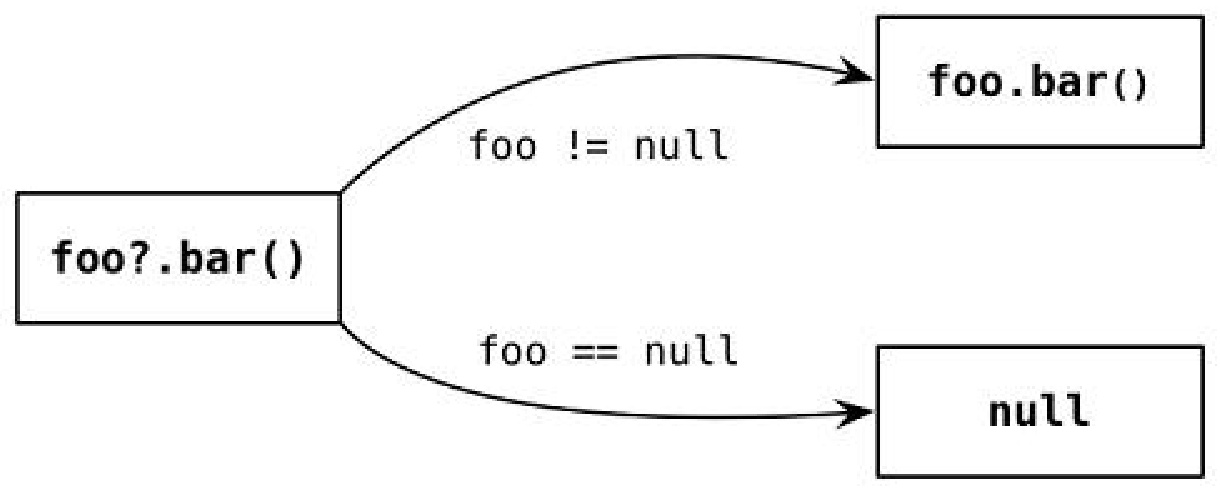
Chained
Java needs three nested ifs, or one long && chain.
?: — Elvis
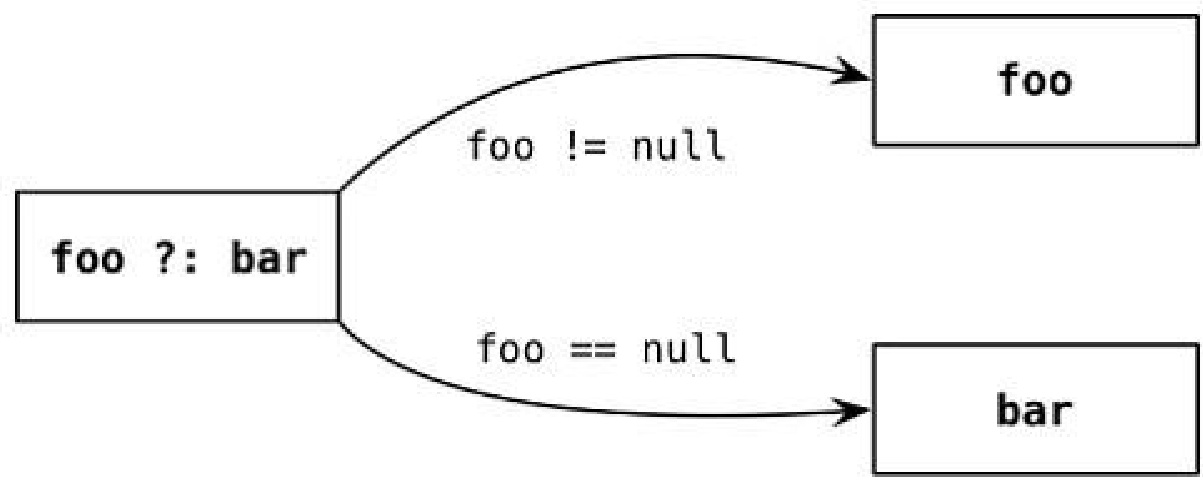
The complete idiom
That second one works because of Nothing. Later in this unit.
as? — safe cast
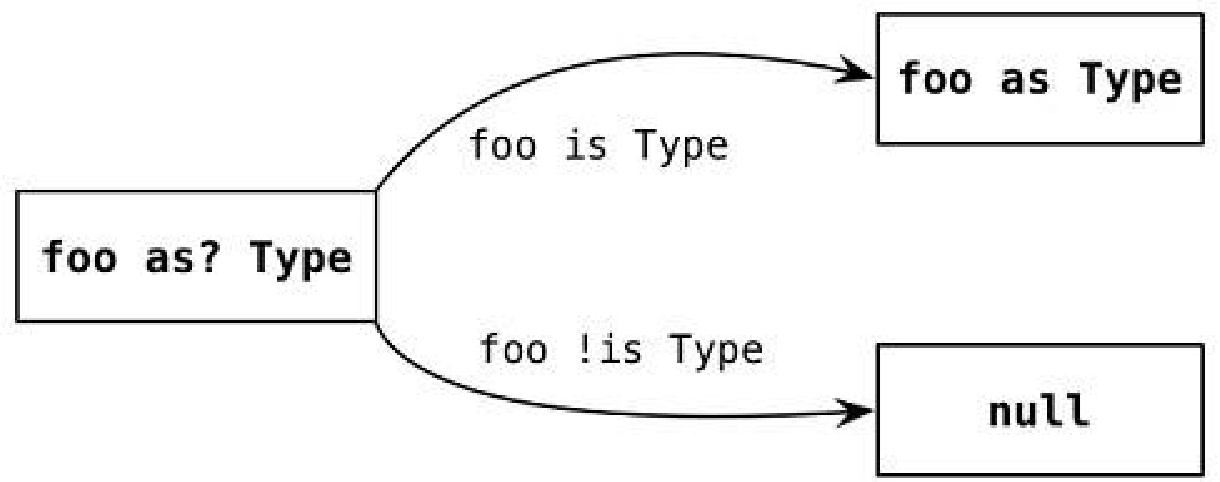
Its best use
One line replaces the instanceof-then-cast dance.
!! — not-null assertion
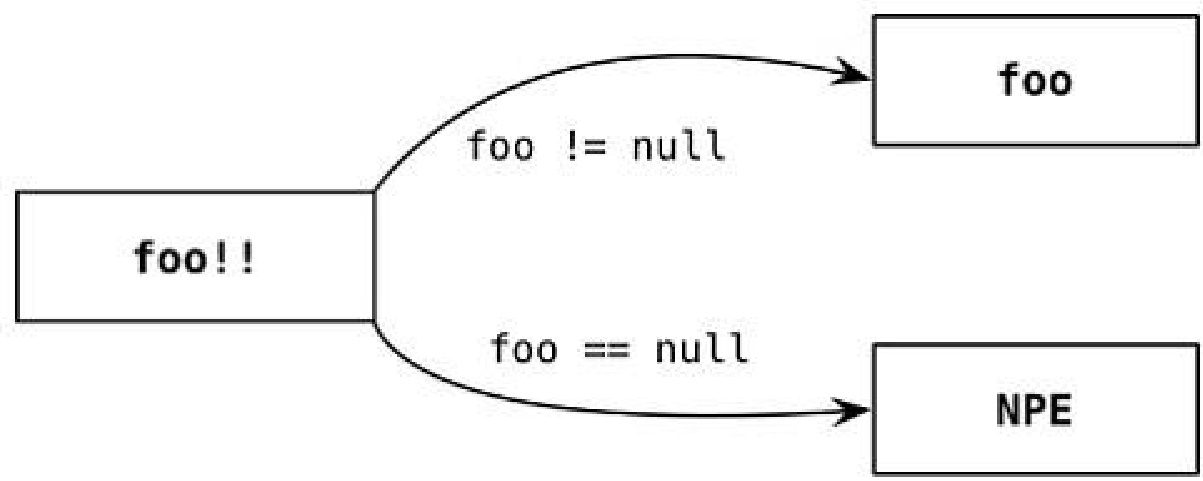
Deliberately ugly
The syntax was chosen to look like shouting.
Not a joke — it should be visible in review.
Two rules
Use it only where you know something the compiler cannot.
Never chain it. a!!.b!!.c throws on a line —
and the stack trace tells you the line, not which assertion failed.
let, lateinit, nullable receivers
let
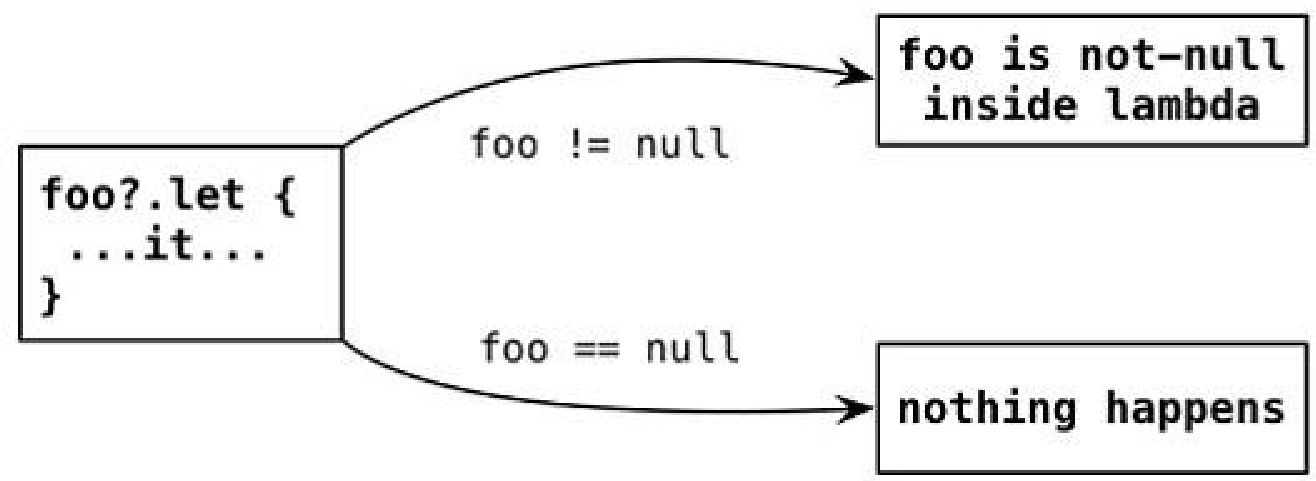
For a single use
For anything longer, if (x != null) with a smart cast reads better.
lateinit
The cost is honest
kotlin.UninitializedPropertyAccessException:
    lateinit property myService has not been initialized
Names the property. A great deal better than a bare NPE.
Nullable receivers
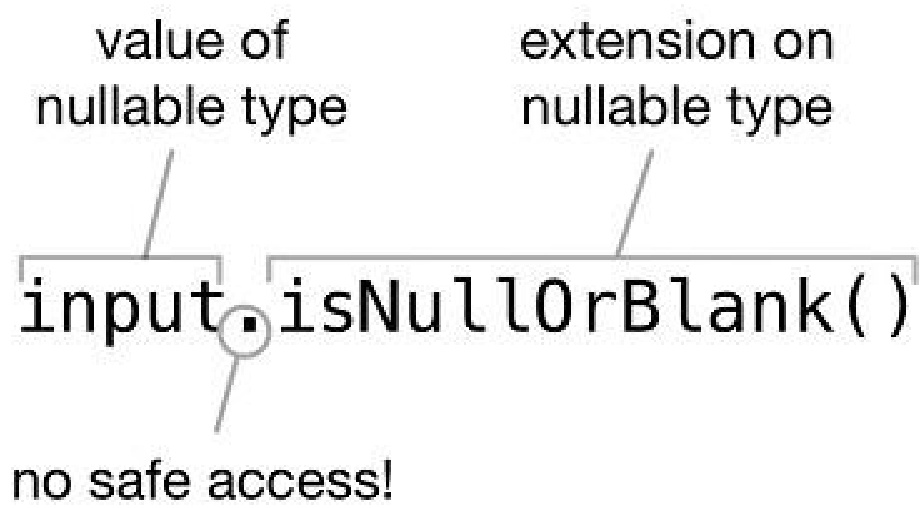
Why it works
An extension is a static function taking the receiver as a parameter.
A parameter can be null. No dispatch, nothing to fail.
A reading tip
If a call on a nullable value compiles without ?.,
the function has a nullable receiver.
Platform types
The conflict
Kotlin’s null safety needs to know whether a value can be null.
Java does not record that.
Two clean answers, both rejected
Everything from Java is nullable. Safe, and unusable — every call would need a safe call, including the vast majority that never return null.
Everything from Java is non-null. Convenient, and a lie — an NPE becomes possible in code the compiler certified safe.
Kotlin’s answer

String!
A platform type. You cannot declare one.
It means “nullability unknown”, and Kotlin allows both uses.
Where the check happens
Not at the call site.
At the point where a platform value is assigned to a non-null type.
So the error surfaces near the mistake.
Annotations are honoured
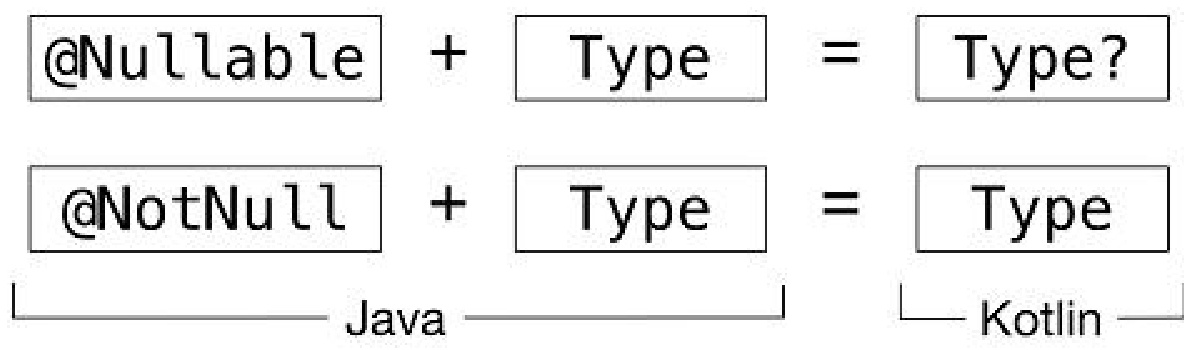
The lesson beyond the mechanics
The guarantee is complete within Kotlin.
At the boundary it degrades to a documented, visible compromise.
A language insisting on purity here would be safer on paper and adopted by nobody.
Primitives and conversions
One type instead of two
Java has int and Integer and makes you choose.
Kotlin has Int, and emits a JVM int wherever it can.
Where a wrapper appears anyway
collections · generics · nullable types
One cause: the JVM cannot put a primitive there.
So Int? is Integer — a nullable number is a boxed number.
No implicit conversions
Not even widening. Java does it silently.
Why
With implicit conversion, whether these compare equal depends on rules most people cannot recite.
The same trade as nullability
A small daily cost.
A whole category of confusing bug, removed.
The exception
Arithmetic operators are overloaded for mixed types.
1L + 1 works. The rule bites on assignment and comparison.
Any, Unit and Nothing
Any
The supertype of all non-null types.
java.lang.Object, minus the null.
Java’s Object might be nothing at all. Any cannot be.
Unit
Unlike void, it is a real type with a value.
Which matters for generics
Java needs Void and an explicit return null.
Nothing
The type of an expression that never returns.
No values, therefore a subtype of everything
Elvis needs compatible types. Nothing fits with anything.
Which is why throw on the right worked earlier. That was Nothing all along.
Collections
Nullability first
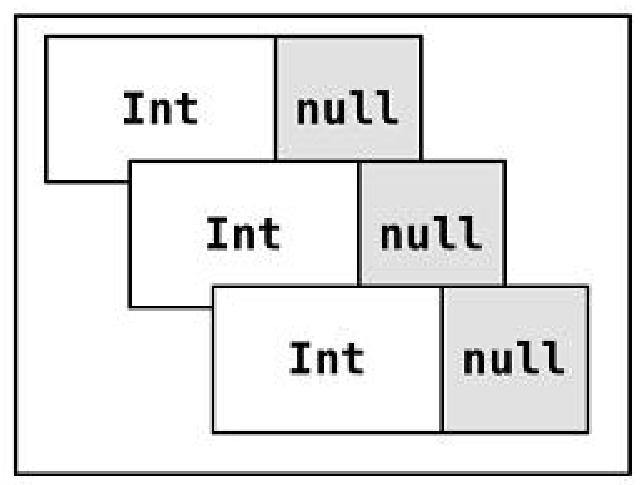
And the other way
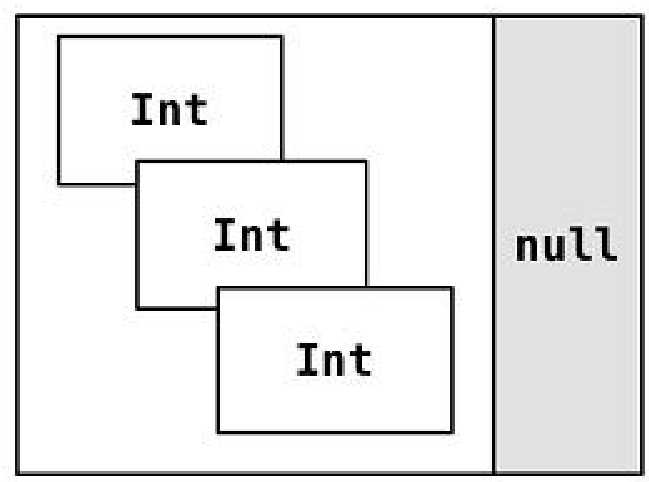
Read them slowly
The separation

Why it matters at signatures
A statement about behaviour, checked by the compiler.
Not documentation that may be wrong.
The limit
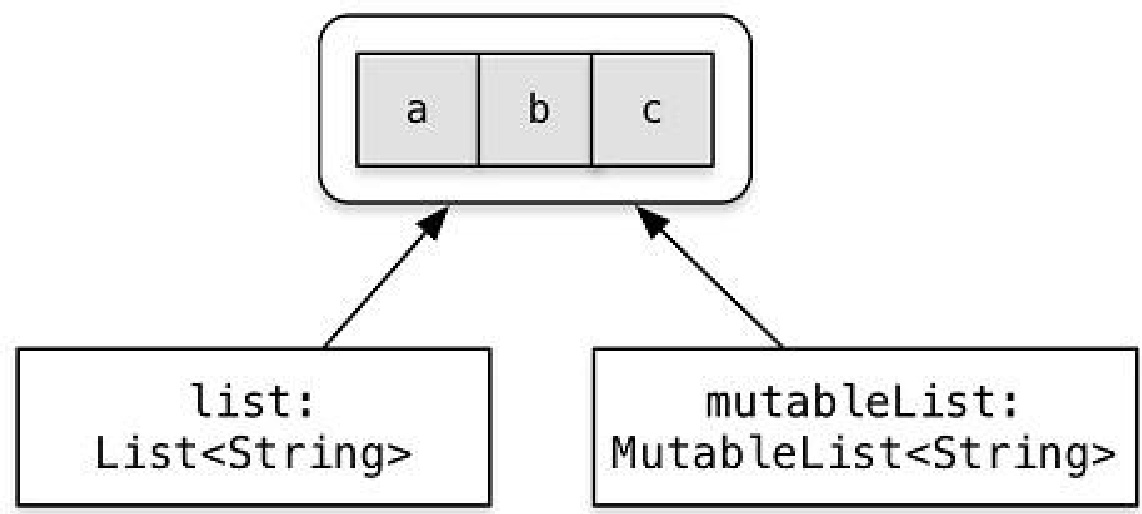
Read-only is not immutable
The same object may be referenced elsewhere as mutable.
Read-only is a view, not a property of the object.
It is not a thread-safety guarantee.
Same trap as val, one level up
The reference is restricted.
The object is not.
And Java ignores it
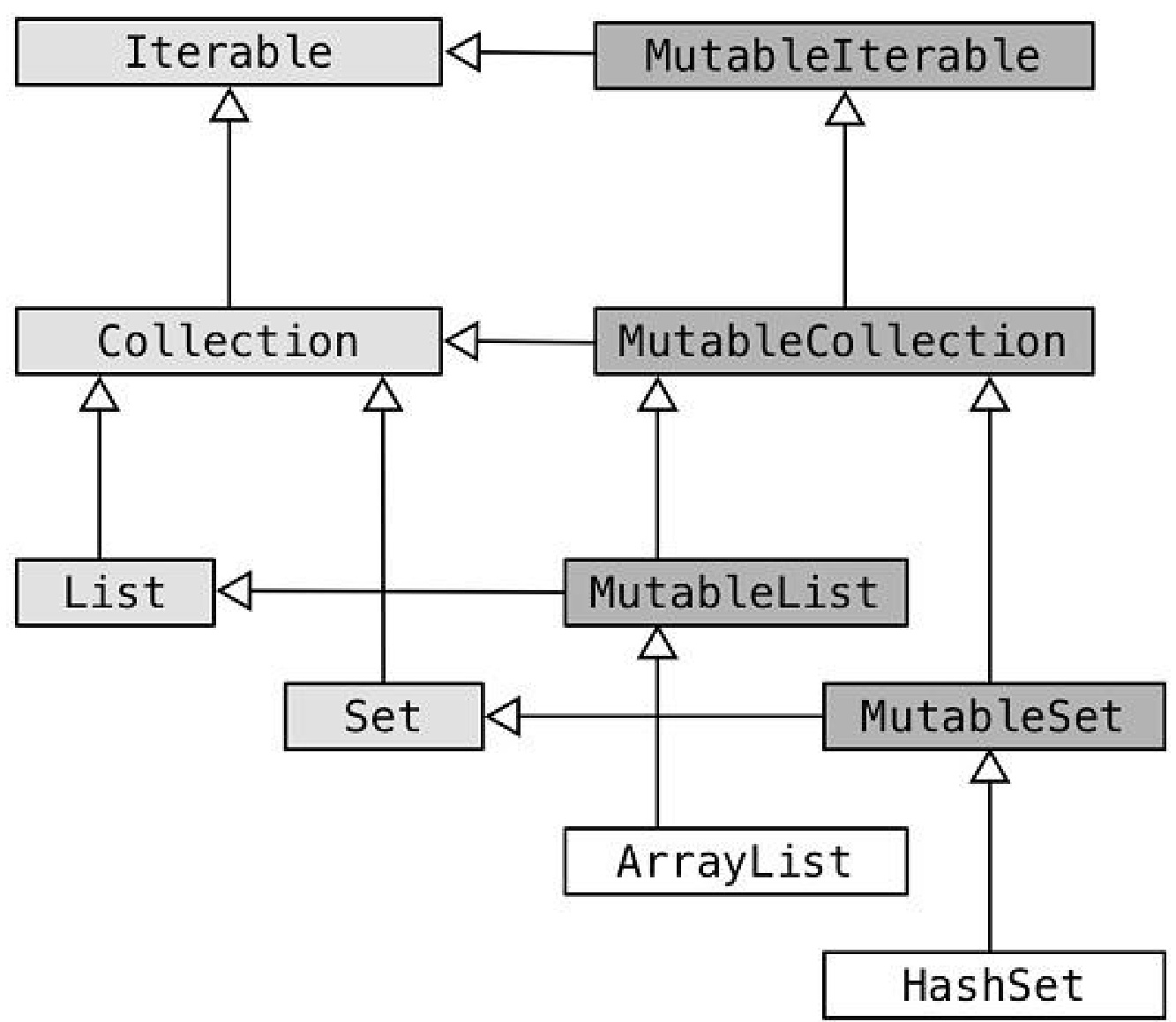
Three decisions at every boundary
Can it be null?
Read-only or mutable?
Can its elements be null?
Arrays
Creating them
The lambda form removes the loop-and-assign pattern entirely.
Boxing again
Collection functions work
filter and map are available on arrays.
They return lists — which is usually what you wanted.
When you actually need one
Java interop. vararg.
Otherwise: no read-only variant, no useful toString, identity equality.
Three reasons a list is nearly always better.
Summary
The six things to carry away
- Every guarantee is bought by putting information into the type.
- A type admitting a value none of its operations work on is dishonest.
- Two commitments collide at the Java boundary, twice — visibly.
- Read-only is a view, not a promise about the object.
- Explicit number conversion buys what nullability buys.
Nothingis not a curiosity — it is why?: throwcompiles.
Where next
Operator Overloading and Other Conventions.
in did double duty. to was a function, not syntax.
Both are one mechanism: a specifically named function giving your type built-in syntax.
Kotlin · The Kotlin Type System