Kotlin Basics
Kotlin
2026-08-21 09:00
Where we are
The previous unit surveyed
It showed a program, named its features, gave the philosophy.
It taught almost no syntax.
This unit teaches the syntax
The widest unit of the module.
Everything after it assumes all of it.
One theme runs through
Kotlin turns statements into expressions.
Function bodies. when. try.
Each time, a mutable variable becomes unnecessary.
What you will be able to do
- Declare functions with block and expression bodies.
- Choose
valorvar, and say whatvalguarantees. - Use string templates.
- Declare classes with properties.
- Write a computed property.
- Declare enums and match with
when. - Use
whenwith no argument. - Rely on smart casts.
- Iterate with ranges and loops.
- Handle exceptions, and use
tryas an expression.
Hello, world
Five lines, five decisions
fundeclares a function — at the top level, no class- type follows the name, after a colon
Array<String>is an ordinary generic typeprintln, notSystem.out.println- no semicolon
Why type-after-name
It makes the type optional without changing anything else.
Drop : Int and the declaration still parses.
In C-style order, there would be nothing left saying it is a declaration.
Functions
The parts
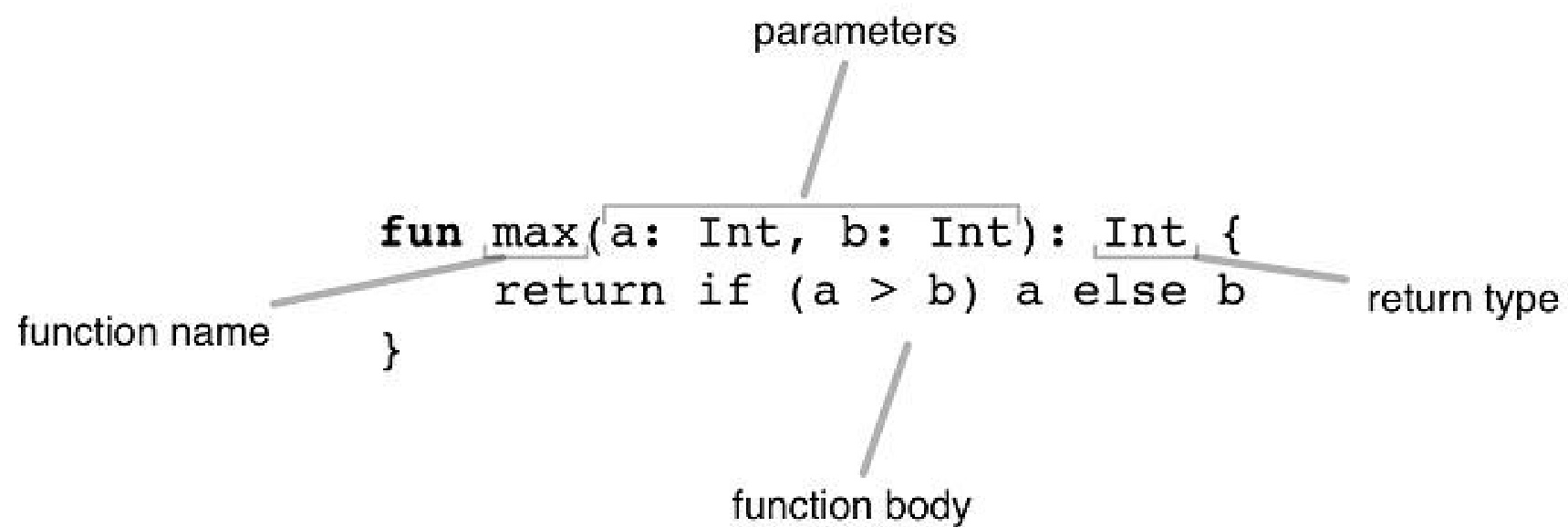
Block body
Note what is already happening: if is an expression.
Which is why Kotlin has no ternary operator. It does not need one.
Expression body
The return type can go too.
The rule, and it is not arbitrary
Expression body → return type may be inferred.
Block body → must be declared.
Inferring a block’s type means analysing every path. A function that complicated should say what it returns.
More than brevity
A function that is an expression is easier to reason about
than one that assembles a result.
There is nothing to trace. The body is the answer.
Variables
Two keywords
Prefer val
Not because immutability is fashionable.
A val is a fact about the rest of the function.
Read the declaration, know the value, stop scanning for reassignments.
The trap
val prevents reassignment of the reference.
It says nothing about the object.
Two separate guarantees
Immutability of the reference — that is val.
Immutability of the object — that is elsewhere, and weaker than it looks.
String templates
Interpolation
Note the nested quotes in the third. Handled properly.
Why templates beat concatenation
The reference is checked at compile time.
Misspell $nmae and the code does not compile.
Classes and properties
Java
Kotlin
Nothing was given up. The field is there. The getter is there.
Java calling getName() works exactly as before.
Why the compiler can do this
In Java, a property is a convention — a field plus accessors named a certain way. Nothing in the language knows about it.
In Kotlin, a property is a language feature.
What one declaration generates
Custom accessors
No field behind isSquare. Each read runs the comparison.
Property or function?
A property describes what the object is.
A function describes what it does, or a computation with real cost.
If a reader would be surprised that access does work — make it a function.
Source layout
Kotlin does not require directories to match packages.
Several classes per file is idiomatic, not sloppy.
For large projects, follow the Java convention anyway.
Enums and when
Two keywords
enum is a soft keyword — meaningful only before class.
With data
The only place in Kotlin where a semicolon is mandatory.
Three ways when beats switch
It is an expression returning a value.
There is no break, so no fall-through bug.
Branches match arbitrary objects.
The third one is substantive
The subject is a set. Order does not matter, and no extra cases were written.
Blocks as branches
The last expression of a block is its value.
Consistent across Kotlin. Worth internalising here.
A cost hiding in the elegant version
when (setOf(c1, c2)) allocates a Set on every call.
And compares against a freshly allocated set in each branch it tries.
when without an argument
Boolean branches
The trade, stated plainly
The elegant version costs objects on every call.
The fast version costs a reader’s patience.
Write the first. Reach for the second when a profiler says to.
Smart casts
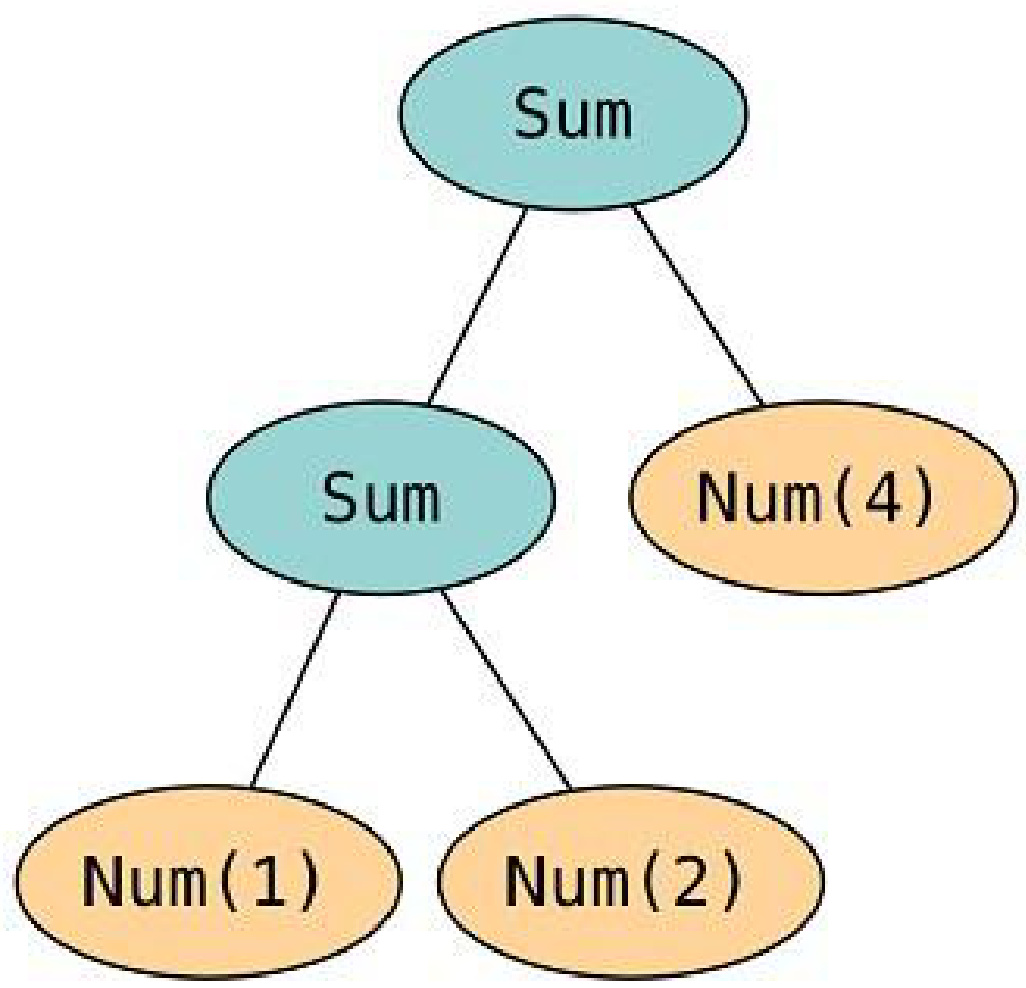
A tiny hierarchy
It nests
Java’s shape
Check with instanceof. Then cast. Then use it.
The check and the cast state the same fact twice.
Kotlin removes the second
The IDE even shades the background where a smart cast is active.
Two conditions
- the variable must not have changed since the check
- it applies within the scope where the check holds
A val satisfies the first automatically. A var may not.
When the compiler refuses, that refusal is information.
Refactored with when
Not merely shorter. No intermediate results, no returns, no locals.
Loops, ranges and in
while, unchanged
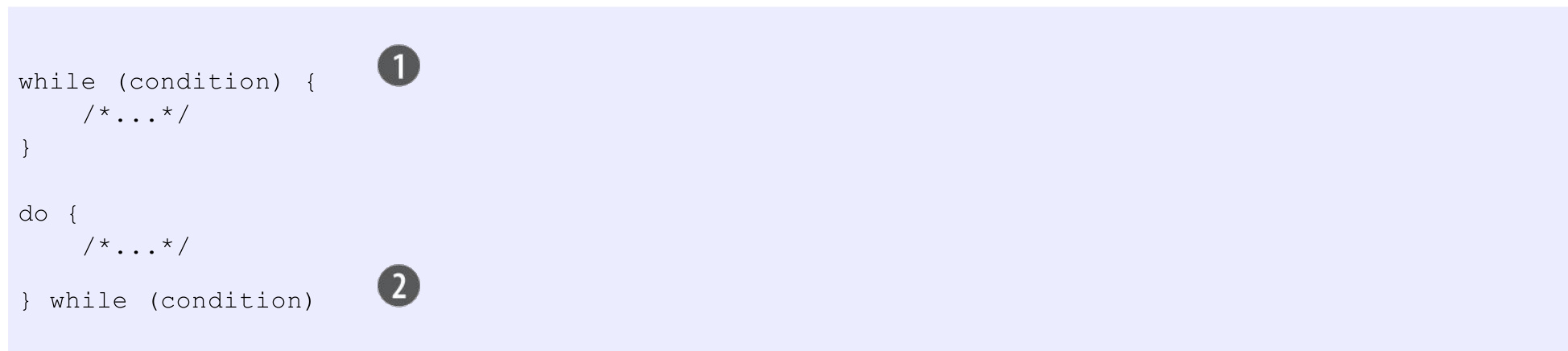
There is one for loop
for-in. No C-style initialiser, condition, update.
A deliberate narrowing: the three-clause loop is a reliable source of off-by-one errors.
Ranges are closed
until exists because the closed default is wrong for “n items”.
FizzBuzz, and when did all of it
No if. No return. No mutable state.
Destructuring in the header
The body never mentions entry.key.
And the index cannot get out of step with the element.
in does two jobs
Not a coincidence. Both are conventions backed by operator functions —
which you can implement on your own types. Unit 7.
Exceptions
Familiar
No new. Java’s exception classes.
And throw is an expression, so it fits where a value is required.
No checked exceptions
You are never required to catch or declare.
readLine and close both throw IOException. Kotlin demands nothing.
An empirical judgement
Checked exceptions are routinely caught and ignored,
or declared all the way up.
Both defeat the purpose. The guarantee was not worth the ceremony.
try as an expression
The value is the last expression of whichever branch ran.
Same rule as a when branch.
Third time
- Function body is an expression → no
return whenis an expression → no assignment per branchtryis an expression → novarbefore the block
Every one removes a mutable variable.
Summary
The six things to carry away
- Statements keep becoming expressions, and each time a
vardisappears. valprotects the reference, not the object.- A property is a language concept, not a naming convention.
whenbeatsswitchon all three counts — and matching asetOfcosts an allocation.- Smart casts remove the second half of a redundant pair.
- Checked exceptions were dropped on empirical grounds.
Two forward pointers
Destructuring, met in the map loop — a convention, explained in unit 7.
in, doing double duty — two convention functions, explained in unit 7.
Where next
Defining and Calling Functions is about making functions pleasant to call.
Named arguments, default values, top-level functions.
And extension functions — adding methods to classes you do not own.
Kotlin · Kotlin Basics