Annotations and Reflection
Kotlin
2026-08-21 09:00
Where we are
Dropping an assumption
Every technique so far assumed the compiler knows what you are working with.
Generics stretched that. This unit drops it.
The problem
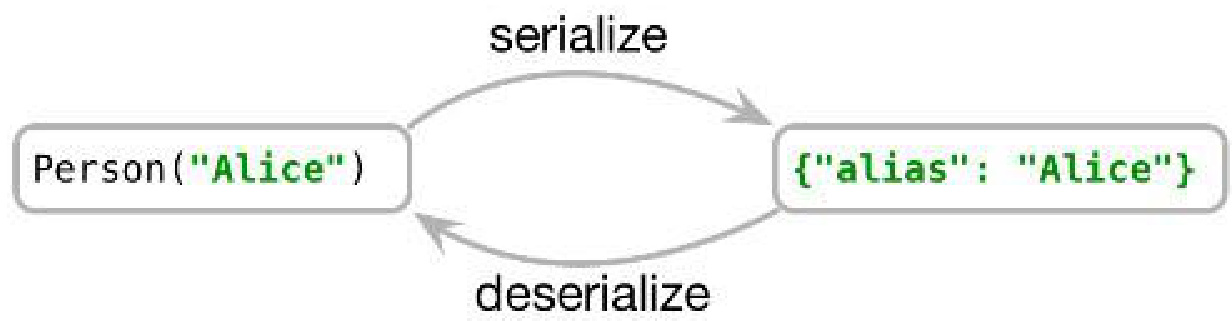
You are writing a JSON serialization library.
You cannot know your users’ classes — they have not been written.
What you need
To inspect an arbitrary object at runtime and find its properties.
And a way for the user to say “call this one first_name”
without you knowing anything about their class.
The two mechanisms
Annotations — metadata attached to a declaration.
Reflection — reading a class’s structure at runtime.
If you have used a test framework or an ORM, you have used both from outside.
What you will be able to do
- Apply annotations with arguments.
- Use use-site targets.
- Declare your own annotations.
- Use
@Targetand@Retention. - Pass classes as annotation parameters.
- Navigate the reflection API.
- Serialize an object by reflection.
- Explain
callBy. - Judge when reflection is the right tool.
Keep one thing in mind
Reflection defers to runtime what the compiler would otherwise check.
That is the whole power and the whole cost.
Applying annotations
The syntax
Kotlin’s @Deprecated carries a ReplaceWith pattern —
so the IDE can offer an automatic fix. Metadata doing real work.
Permitted argument types
Primitives · strings · enums · class references
other annotations · arrays of these
Compile-time constants only
An ordinary val is not enough — the value is written into the class file.
Annotation targets
The ambiguity

One property, several elements
A backing field. A getter. Sometimes a setter.
Sometimes a constructor parameter.
A Java library expecting the annotation on the field will not find one on the getter.
Use-site targets
property · field · get · set · param · setparam · receiver · delegate · file
The debugging rule
Most annotation problems with Java libraries are target problems.
When an annotation seems ignored,
check the target first.
Declaring your own
annotation class
Parameters are val constructor properties.
No body — an annotation carries data and nothing else.
What it does
Meta-annotations
A difference to remember
Kotlin retains at RUNTIME by default. Which is what reflection needs.
Java does not.
Which is why a Java annotation you went looking for may not be there.
Classes as parameters
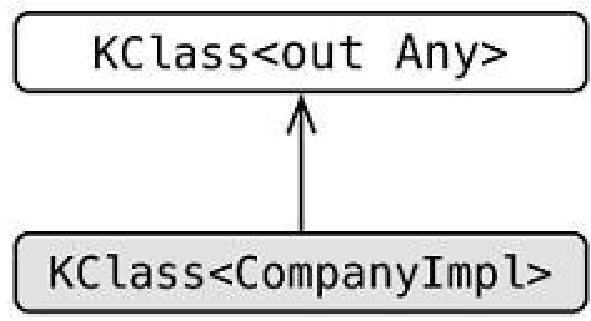
Variance, doing real work
The out is required because KClass<DateSerializer> must be acceptable
where KClass<ValueSerializer<*>> is expected. Unit 9, one page later.
The reflection API
Two APIs
Java reflection — works, but knows nothing of Kotlin concepts.
Kotlin reflection — understands properties, nullability, default values.
The hierarchy
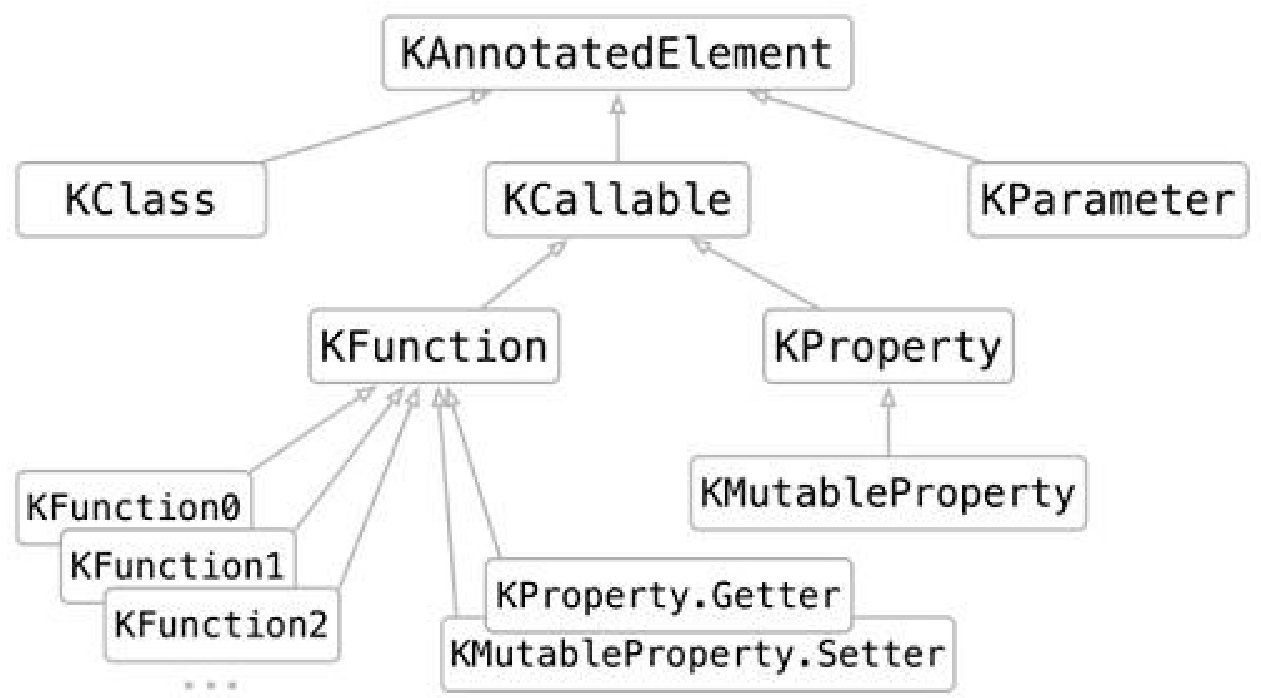
KClass
KCallable and KFunction
KFunction1, KFunction2 — arity in the type, so a typed reference calls directly.
KProperty
KMutableProperty adds set.
What is new here
Person::age is the compile-time-safe entry point — unit 5’s member references.
What is new is obtaining these dynamically,
from a class you have never seen.
A caution built into the packaging
Kotlin reflection needs a separate dependency, kotlin-reflect.
Not on the classpath by default, because of its size.
A deliberate signal.
Building the serializer
The goal
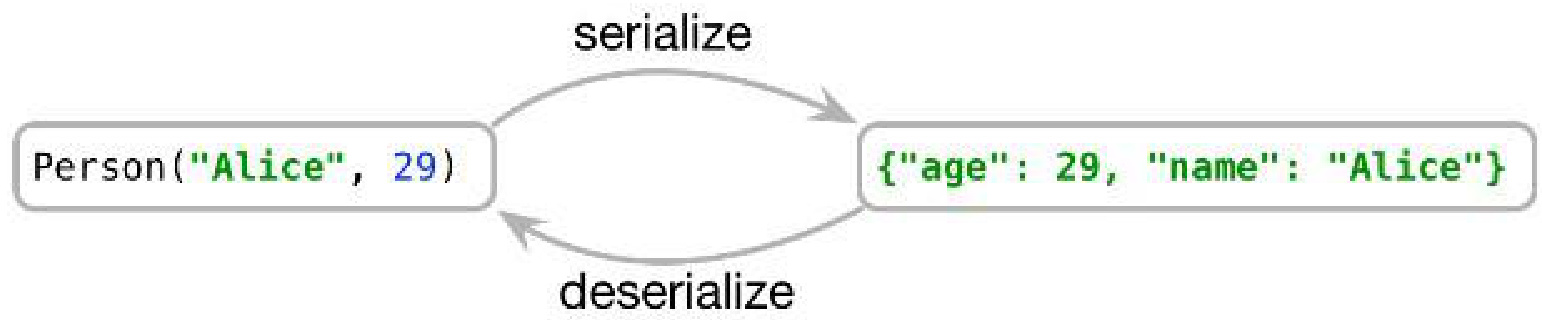
The core
That is a complete serializer
A dozen lines.
Working on classes written after it.
Then the annotations enter
@JsonExclude · @JsonName · @CustomSerializer
findAnnotation is reified
Reified because that is the only way to write it.
Unit 9’s mechanism where it is genuinely needed.
Neither half is enough alone
Reflection without annotations → cannot be customised.
Annotations without reflection → metadata nobody reads.
The pattern
The library reflects. The user annotates.
Essentially every JVM serialization, persistence and testing framework.
Deserialization
The harder direction
Serialization reads a fully formed object.
Deserialization must create one from a bag of name/value pairs
that may be incomplete, out of order, or wrongly typed.
The pipeline
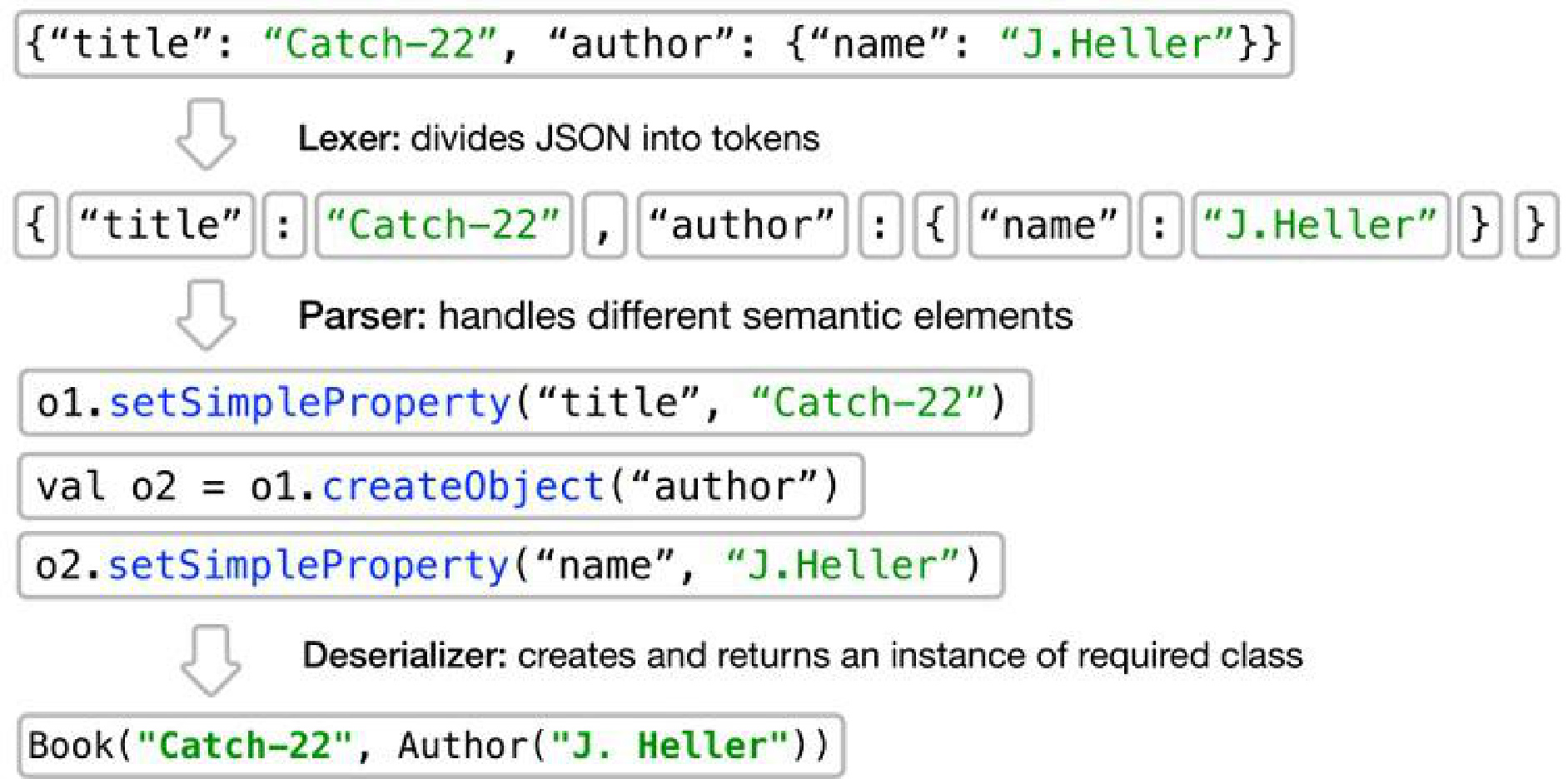
Why call is not enough
KCallable.call requires every argument, in order.
JSON guarantees neither.
callBy
Order does not matter.
Any parameter left out takes its default value.
Which is exactly what optional means
An API whose shape only makes sense
once you have hit the problem it solves.
And the conversion problem
JSON values arrive untyped. Parameters have declared types.
The library consults the parameter’s KType and converts.
Errors a compiler would have caught, now surfacing at runtime.
What reflection costs
Three costs
Nothing is type-checked.
Calls are slower.
Renaming a property breaks code no compiler will flag.
The rule
Prefer static structure.
Reach for reflection when you have run out of static structure.
Two threads closed
Unit 9’s reified parameters — what makes reflection APIs pleasant.
Unit 9’s star projections — what annotation class parameters need.
Not a coincidence of ordering.
Summary
The six things to carry away
- The library reflects; the user annotates. Neither is much use alone.
- One Kotlin property is several JVM elements — use-site targets say which.
- Annotation arguments must be compile-time constants;
valis not enough. - Kotlin retains annotations at runtime by default. Java does not.
callByexists because JSON has no order and no obligation to be complete.- Reflection defers to runtime what the compiler would check.
Where next
DSL Construction — the deliberate contrast.
APIs that read like a purpose-built language,
built entirely at compile time.
Kotlin · Annotations and Reflection